You have hit a wall. Whether it is a nagging knee pain derailing your CrossFit workouts, a persistent ache slowing your Flagstaff trail runs, or the challenging road back after surgery, the question is always the same: how long until I feel better?
At Cadence Performance Flagstaff, that question drives everything. Understanding realistic timelines for your specific situation helps set expectations, build confidence, and keep you moving forward with purpose.
What Shapes Your Recovery Timeline?
No two athletes recover at the same pace. Several factors influence how quickly you progress through treatment, including the nature and severity of your injury, how long the issue has been present, your baseline strength and mobility, and how consistently you engage with your program.
What stays consistent across every case at Cadence Performance Flagstaff is the approach: individualized, one-on-one care that targets root causes rather than surface-level symptoms. Every session is structured to move you forward, not simply maintain where you are.
Manual Therapy for Acute Pain: What to Expect Early On
When you are dealing with acute pain, whether it is a sudden strain, joint stiffness, or a flare-up of a recurring issue, the priority is restoring basic function and calming the nervous system.
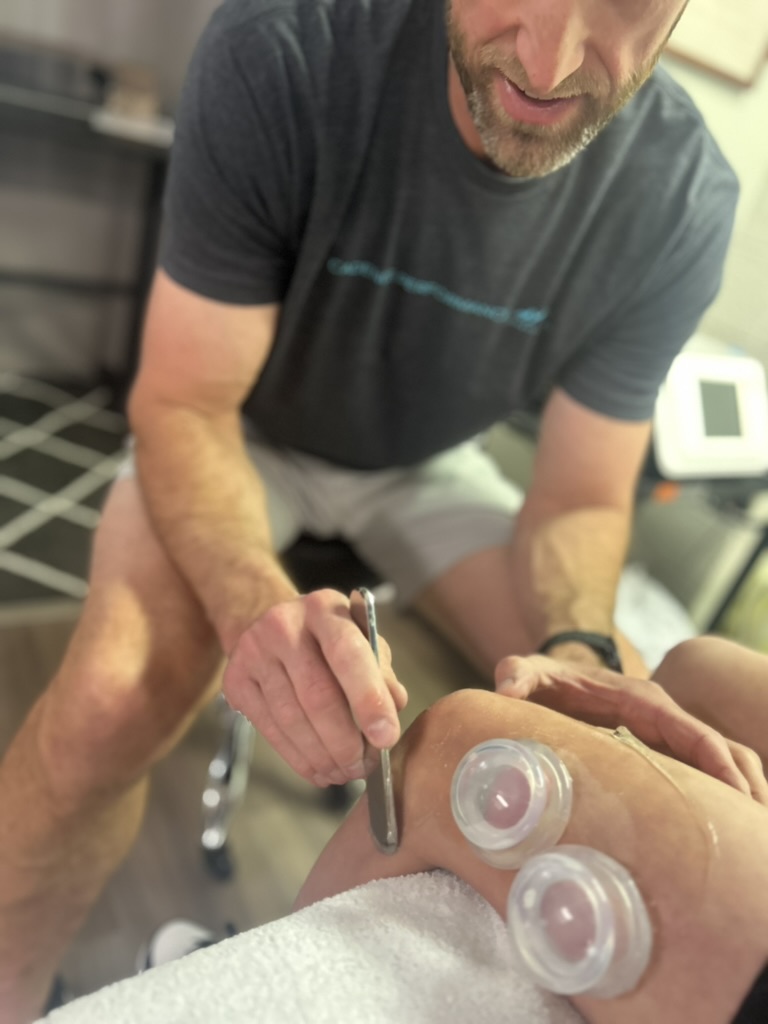
Manual therapy at Cadence Performance Flagstaff draws on a range of hands-on techniques, including:
- Joint mobilization and manipulation
- Soft tissue mobilization
- Trigger point therapy
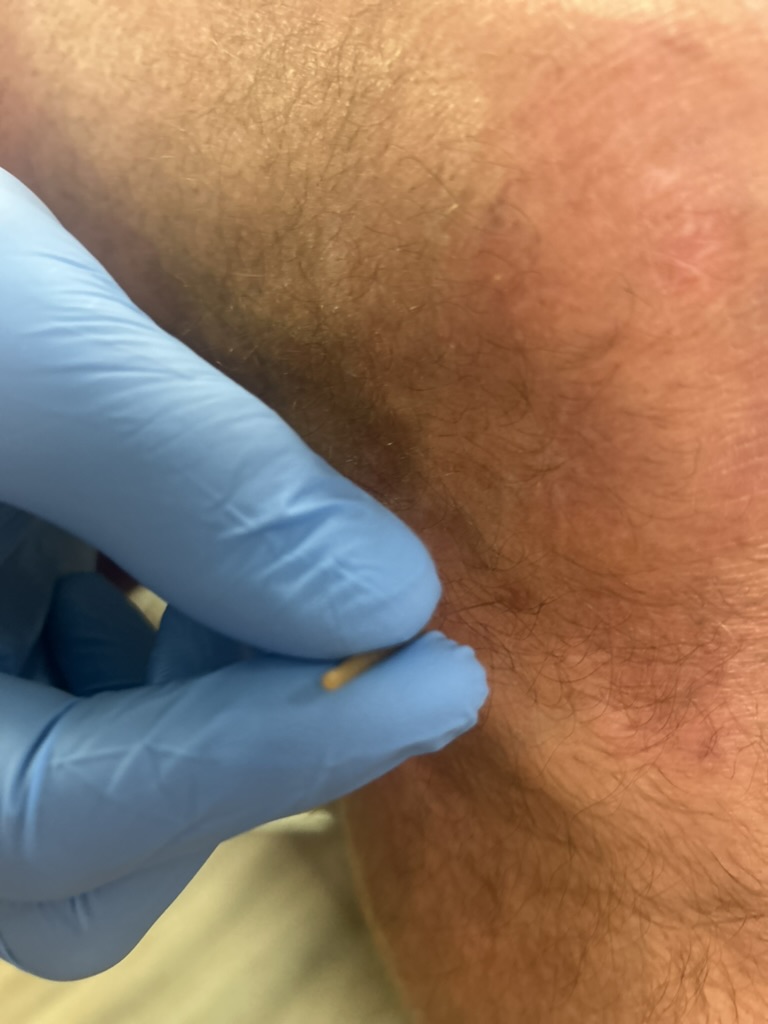
- Dry needling
- Instrument-assisted soft tissue mobilization (IASTM/Graston)
- Cupping
For many clients experiencing acute pain, meaningful improvements in mobility and pain levels are often noticeable within the first one to three sessions. This early phase is about reducing immediate discomfort, identifying movement dysfunctions, and establishing a clear path forward.
Conditions like low back pain, shoulder impingement, ankle sprains, and IT band syndrome often respond well to this initial hands-on intervention, setting the stage for more progressive work.
CrossFit and Performance Training: Building a Resilient Body
For athletes managing chronic pain or working to improve performance in the gym, the timeline extends beyond symptom relief. The goal shifts toward addressing the underlying weaknesses and movement patterns that created the problem in the first place.
After the initial pain management phase, Cadence Performance Flagstaff focuses on strength building, neuromuscular re-education, and sport-specific progressions. This includes:
- Therapeutic exercise tailored to CrossFit demands
- Blood flow restriction (BFR) training for targeted strength gains
- Plyometrics and return-to-sport progressions
- Balance and proprioception training
- Functional movement assessment to identify and correct compensations
Athletes working through conditions like hip impingement, patellar tendinopathy, shoulder rotator cuff pain, or overuse injuries typically begin noticing meaningful improvements in strength, endurance, and movement quality within four to eight weeks of consistent treatment.
The exact timeline depends on the complexity of the issue and how aggressively you can train through the recovery process, but the structure remains the same: address the pain, restore the movement, reload the performance.
Running Physical Therapy: Getting Back on Flagstaff's Trails
Runners face a unique challenge. The repetitive nature of the sport means that returning too soon, or without addressing the root cause, almost always leads to re-injury.
Running physical therapy at Cadence Performance Flagstaff is built around a return-to-running framework that progresses you safely and strategically. Common running-related conditions treated include:
- Runner's knee and patellofemoral pain
- Achilles tendinopathy
- Plantar fasciitis
- Shin splints
- Hamstring strains
- IT band syndrome
Depending on the condition and its severity, runners can expect to begin a structured return-to-running progression within two to six weeks. Full return to trail running or race training typically falls within six to twelve weeks, with ongoing injury prevention work woven throughout.
For runners looking to optimize performance beyond recovery, a bike fit or functional movement assessment can provide additional insight into biomechanical factors affecting efficiency and injury risk.
Post-Surgical Rehab: Maximizing Progress Within Healing Timelines
Recovering from surgery requires patience, but the quality of your rehabilitation directly influences how fully and quickly you return to activity. Post-surgical rehab at Cadence Performance Flagstaff is designed to help you make the most of every phase of healing.
Surgical protocols set the boundaries for what is safe at each stage, and the team at Cadence Performance Flagstaff works within those guidelines to push your progress as aggressively as appropriate. Common post-surgical cases include:
- ACL reconstruction
- Rotator cuff repair
- Labral repair (hip or shoulder)
- Meniscus surgery
- Achilles tendon repair
In the early weeks following surgery, the focus is on managing swelling, restoring range of motion, and beginning gentle neuromuscular activation. Modalities like electrical stimulation, cold therapy, compression therapy, and blood flow restriction training are used strategically to support tissue healing and minimize strength loss.
Most post-surgical clients begin making measurable gains in range of motion and initial strength within the first three to six weeks. Full return to sport, including high-demand activities like CrossFit or trail running, generally occurs within six to twelve weeks or longer depending on the procedure and individual healing rate.
Prehab, or working with Cadence Performance Flagstaff before a planned surgery, can also significantly improve post-operative outcomes by building strength and mobility in advance.
A Realistic Look at Recovery
Timelines in physical therapy are always estimates, not guarantees. What Cadence Performance Flagstaff can offer is a structured, evidence-informed approach that keeps you progressing efficiently toward your goals, whether that means returning to the barbell, finishing a trail race, or simply moving through daily life without pain.
If you are ready to stop guessing and start moving, reach out to Cadence Performance Flagstaff to schedule your evaluation and get a clear picture of what your recovery can look like.
